Karibu Kwenye Tovuti ya Kanisa la Waadventista Wasabato Ikulu Mbeya, Tanzania.

Maharusi, 2012.
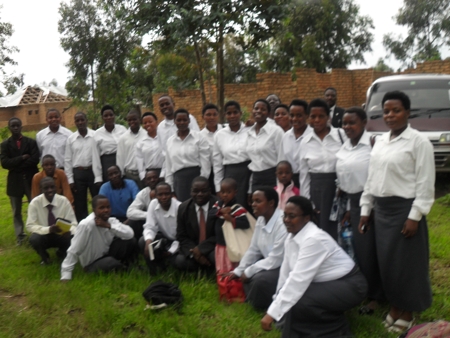
Kwaya Kanisa 2012

Mwonekano wa Kanisa la Ikulu kwa ndani
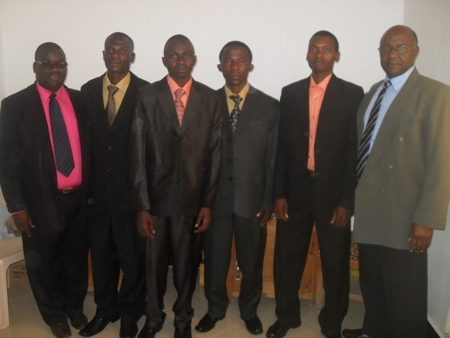
Absalom na Festo na wadhamini wao Black na Shamban wakiwa na wazee wa kanisa
Manumbu na Mafwiri muda mfupi kabla ya kufunga ndoa zao
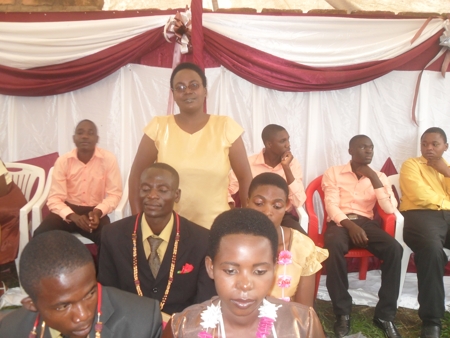
Mr na Mrs Mwamaloba na Matron wao Mrs. Mafwiri.
HISTORIA YA KANISA LA IKULU.
Kanisa la Ikulu ni Kanisa la Waadventista Wasabato ambalo linapatikana njia panda ya kwenda chuo cha VETA Mbeya. Kutokea katikati ya Jiji la Mbeya ni umbali wa Kilometa 4 mkono wa kushoto ilipo njia panda ya VETA barabara ya kuelekea Dar es Salaam. Kama unatokea Uyole kuja katikati ya Jiji la Mbeya ni umbali wa kilometa 6 kufika njia panda ya VETA kwa upande wa mkono wa kulia.
Kanisa la Waadventista Wasabato Ikulu ni miongoni mwa makanisa yanayounda mtaa wa Ruanda. Makanisa mengine ni Mbeya kati na Ilemi. Historia ya Kanisa inanzia mwaka 1999 wakati lilipoanza rasmi likiwa kundi lenye jumla ya washiriki 25. Wakati huo kundi la Ikulu lilikuwa chini ya kanisa mama la Mbeya Kati. Wakati huo kundi lilikuwa likifanyia ibada nyumbani kwa mshiriki ndugu Enosi Kinula kabla ya kupata uwanja wa Kanisa na kujenga kanisa dogo.
Mnamo mwaka 2003, Kundi la Ikulu lilisimikwa rasmi na kuwa Kanisa kamili likiwa na jumla ya washiriki wa kanisa 70. Kanisa la Ikulu baada ya kusimikwa kuwa kanisa kamili limekuwa na njozi ya uinjilisti kwa ajili kueneza kazi ya utume ulimwenguni kitendo ambacho kimepelekea kanisa kukua na kuongeza idadi ya washiriki na makundi. Hadi kufikia Januari 2013 Kanisa lilikuwa na jumla ya washiriki 351 wenye ushirika katika kitabu cha ushirika cha kanisa. Kanisa la Ikulu lina jumla ya Makundi mawili ya Isyesye na Ivumwe ambayo yanasifa za kutengwa na kuwa makanisa kwani tayari Isyesye wana jengo la kanisa na Ivumwe wanauwanja wa kanisa na mipango ya kujenga kanisa ipo mbioni. Tuzidi kuombea kazi ya uinjilisti katika eneo hili la kanisa la Ikulu.
Kanisa la Ikulu linajumla ya majengo ya kanisa 3 ambapo kanisa mama lina majengo mawili, kanisa la watu wazima na kanisa la watoto. Kanisa la watu lipo katika hatua za mwisho za ujenzi ili liweze kukamilika na kuwekewa wakfu. Kwa upande wa Kanisa la watoto nalo linahitaji ukarabati bado maana ni la muda mrefu. Kwa upande wa Kundi la isyesye wana jengo la kanisa ambalo nalo linaendelea kujengwa.Kundi la Ivumwe tayari kanisa limeshanunua uwanja na hatua za kuanza ujenzi ziko mbioni.
TAMKO LA UTUME.
UTUME WETU:
Utume wa Kanisa la Waadventista Wasabato Swebo, ni kuwafanya watu wote wawe wanafunzi kwa kuwapelekea Injili ya milele iliyo katika muktadha wa Ujumbe wa Malaika Watatu wa Ufunuo 14:6-12, kuwaongoza wampokee Yesu kama Mwokozi wao binafsi, na kuwaita kujiunga katika Kanisa lake la Masalio, wakifundishwa kumtumikia Yeye kama Bwana wao na kuwaandaa kwa Marejeo yake yaliyo karibu.
UTEKELEZAJI WA UTUME WETU:
Tunatekeleza Utume wetu chini ya uongozi na uwezeshaji wa Roho Mtakatifu kwa kufanya yafuatayo:
- Kuhubiri – Kwa kulikubali agizo la Kristo la Mathayo 28:18-20, katika siku hizi za mwisho, tunautangazia Ulimwengu wote Injili ya Milele ya Upendo wa Mungu, anayefunuliwa wazi kupitia maisha , utume, kifo, ufufuo na huduma ya ukuhani wa mwanaye Yesu Kristo. Kwa kutambua kwamba Biblia ni kitabu cha Mungu kisichoweza kukosolewa, kinachofunua mapenzi ya Mungu, tunaueleza ukweli wote wa Biblia, ukiwemo ule wa kuja kwa Kristo mara ya pili na mamlaka endelevu ya Amri Kumi za Mungu, zenye ujumbe wa kutukumbusha kuitakasa siku ya saba ya juma kama Sabato.
- Kufundisha – Tukikiri kwamba maendeleo ya mwili na tabia ni vya muhimu katika mpango wa Mungu wa Ukombozi, tunahimiza ukuaji katika kumwelewa Mungu na jinsi ya kuhusiana na Yeye, na Neno lake, pamoja na vitu vyote alivyoviumba.
- Uponyaji – Kwa kuzithibitisha kanuni za Biblia za kuwa na utu wote mkamilifu, tunafanya utunzaji wa afya zetu na uponyaji wa wagonjwa kuwa kipaumbele chetu. Kwa kuwahudumia maskini na wanaoteseka, tunashirikiana na Muumba katika kazi yake ya urejeshwaji kwa njia ya matendo ya huruma.
- Kufanya wanafunzi – Kwa kuthibitisha ukuaji wa kiroho ulio endelevu kwa maendeleo ya waumini, tunatoa malezi kwa waumini wapya, tukiwafunza kuishi maisha ya haki na kuwaelekeza kushuhudia kwa mguso wenye nguvu na kuwatia shime kuonyesha mwitikio wa utii kwa mapenzi ya Mungu.
NJOZI YA UTUME WETU:
Kwa kupatana na unabii unavyofunuliwa katika Maandiko, tunauona utume wetu ukifikia kilele katika Mpango wa Mungu wa urejeshwaji wa viumbe vyake katika ukamilifu wa mapenzi yake na haki yake.
MAAFISA WA CONFERENCE.
Southern Highlands Conference Officers 2010 - 2015
President: Pr. Joseph Mngwabi
Executive Secretary: Pr Elias Lomay
Treasurer: Mr. Douglas K Mwambeta
DEPARTMENTAL DIRECTORS
Personal Ministries, Ministerial Association, Family Life & Global Mission:
Pr. Filbert Mwanga
Stewardship, Development & Trust Services:
Pr.Kennan Mwasomola
Education, Religious Affairs:
Mr. Abraham Youze
Women, Children Ministries & Sabbath School:
Mrs. Hodiah Mutani
Publishing& School of Prophecy:
Pr. Ezekiah Chaboma
Youth, Chaplaincy & Public Relations:
Pr. Deogratius R. Bambaganya
Health Ministries & HIV AIDS Coordinator:
Pr. Makaki M. Biseko
Communication, IT, AWR, VOP & Satellite:
Pr. Haruni N. E Kikiwa
KANUNI TANO ZA UKUAJI WA KIROHO
Uamuzi wa muhimu zaidi katika maisha ni uamuzi wa kumpokea Yesu kama Bwana na Mwokozi binafsi. Kutokana na uamuzi huu wa imani, maisha mapya kabisa huanza. Kwa maisha yetu ya kimwili tunahitaji hewa, chakula, mapumziko, na mazoezi ili kuendeleza, kukuza, na kudumisha maisha yetu ya kiafya. Kanuni za ukuaji zinapatikana pia katika ulimwengu wetu wa kiroho. Kama tukizifuata, tutakuwa wakristo tuliokua na kufurahia ushirika wetu na Kristo.
- Kanuni ya Kwanza: Kusoma Maandiko
Kuna watu wachache sana ambao wasingependa kula kwa juma au siku moja. Chakula ni cha lazima ili mtu aishi. Kukaa bila kula kwa kipindi fulani hutufanya dhaifu na wagonjwa. Upungufu wa chakula cha kiroho una madhara yale yale kwa maisha yetu ya kiroho. Kwa hiyo tunasoma Neno la Mungu kwa ratiba ya kila siku.
- 1 Petro 1:23; 2:2
- Mathayo 4:4
- Zaburi 1:1-3
- Joshua 1:8
- Kanuni ya Pili: Kuomba
Maombi na mazungumzo na baba yetu mpendwa wa mbinguni. Mara nyingi mapungufu katika tabia huchangia kukosekana kwa maombi. Wakati ule tunapojisikia vigumu kuomba ndiyo wakati tunaopaswa kuomba zaidi. Hivyo kila siku tutakuwa tukimsogelea Mungu wetu kwa maombi.
Mathayo 26:40 – 75 hutuelezea matokeo ya kuomba. Tunapaswa kuomba bila kukoma kama 1 Wathesalonike 5:17 ituelezeavyo. Kuomba bila kukoma maana yake ni kwamba nyakati za mchana mawazo yetu yamwelekee Mungu mara kwa mara na kuongea naye kwa uhuru na bila kificho. Zaburi 50:15 imejulikana kama namba ya simu.
- Kanuni ya Tatu: Kutafuta ushirika na waumini wengine
Ushirika maana yak e ni kutumia muda na wengine ambao pia wanampenda Yesu. Rundo la mkaa huruhusu moto unaokolea vizuri. Lakini kaa moja la moto likiondolewa kwenye rundo la mengine haliwezi kuendelea kuwaka. Halikadhalika wakristo ni lazima wasaidiane wao kwa wao na kusimama pamoja vinginevyo moto wao wa injili utazimika. Kushirikiana ni muhimu ili mkristo apate kukua. Sisi wote tunatokana na kanisa na ni lazima tujitahidi kubakia humo.
- Waebrania 10:23-25
- Matendo 2:42, 46)
- Kanuni ya Nne: Kushuhudia
Shahidi ni mtu anayeshuhudia kile alichoona na kusikia. Shahidi anashiriki na wengine uzoefu wake binafsi. Yeyote aliye na mahusiano yaliyo hai na Kristo anaweza kuwa shahidi Wake. Maisha ya kweli ya mkristo ni lazima yawe na tabia ya kuambukiza. Hivyo hatuwezi kujizuia kuongelea tunavyomfahamu Yesu. Ni upendeleo na wajibu wa kila mkristo kuwafikia majirani zake na wanadamu wote kwa ujumbe wa kushangaza wa Mwokozi.
- Warumi 1:14-16
- 1 Petro 3:15
- Matendo 1:8
- Kanuni ya Tano: Kuwa mtii na mkarimu
Siri ya ukuaji wa kasi wa kiroho ni utii wa mara moja mara tunapotambua mapenzi ya Mungu ni nini. Haitakuwa busara kutomtii Yule atupendaye sana na ambaye anajua vizuri kile kinachotufaa. Mungu anatamani tuishi maisha yaletayo maana na yenye mafanikio. Kwa sababu hiyo tunapaswa kumtii daima.
- Mathayo 6:24
- Mathayo 22:37
- Yohana 14:21
- Yohana 15:10
- 1 Yohana 2:6
- Wafilipi 2:13
- Luka 6:46-49
Muhtasari:
Kanuni hizi tano hutusaidia sisi kuwa na mahusiano na Yesu na kukua kiroho. Kanuni mbili za kwanza zinahusu namna sisi tunavyowasiliana na Bwana wetu. Kupitia Maandiko Mungu huwasiliana nasi. Kupitia maombi sisi tunaongea na Mungu. Kanuni zingine mbili zinazofuata zinahusu tunavyohusiana na wandamu wenzetu. Tunaposhiriki pamoja na wenzetu tunafurahia, kubadilishana mawazo, na kujenga umoja wa ndugu na dada katika Kristo. Tunaposhuhudia tunawapelekea wengine habari njema ya Yesu Kristo. Utii wetu tunauelekeza kwa Mungu zaidi lakini mara kwa mara tunauonyesha kwa wanadamu wenzetu pia. Tukizifuata kanuni hizi furaha, amani, upendo, na ushirika na Bwana wetu Yesu Kristo utadumu na kuongezeka.
History of SDA Church
Its birthplace in the township of Washington, New Hampshire, in 1844, reveals three central truths about the history of the Seventh-day Adventist Church.
- Before it was "Adventist" or Sabbath keeping Adventist, it was "Christian."
- It celebrates a history that has emphasized "freedom."
- It welcomes and grows from diversity within its membership.
The Christian Roots of Seventh-day Adventism
The local church where "Christian," "Advent," and "Sabbath" combined was established by Christian Connection believers, a religious body that in the mid-nineteenth century was fifth in membership within the United States. Members of the Christian movement sought biblical authority for every aspect of belief. They wanted "no creed but the Bible." Thus, if they were convinced from the Scriptures of the literal soon advent of Christ and the continuing validity of the seventh day Sabbath, their heritage demanded acceptance.
Because William Miller, a well-known Baptist preacher, exhibited profound knowledge of the Scriptures as he lectured upon the literal soon advent of Christ, scores of Christian Connection churches and many of its ministers and leaders became "Adventist" in the late 1830s and 1840s. The Washington, New Hampshire, Christian Connection church by the early 1840s was an "Adventist" church.
Social, Organizational, and Theological Freedom
Another element of the Seventh-day Adventist heritage from "Christians" involves the Seventh-day Adventist emphasis upon freedom. Washington, New Hampshire, was the initial town in the United States to name itself after George Washington, and it took that name in 1776, the year of the American Revolution. Its very birthplace seemed a call to personal freedom.
"Christians," as did Seventh-day Adventists from their earliest days, actively sought freedom for all and worked toward abolition of slavery as well as roles for women in the church, and fostered a strong opposition to formalized church creeds. Freedom was also emphasized through an orientation toward temperance and health reform. Proper care of the physical frame would yield a clear mind with which to perceive scriptural truths. Thus within nineteenth-century Adventism one finds strong anti-slavery actions, women licensed as ministers, and health reform principles that included abolition of alcohol and tobacco within the membership.
Religious freedom came to mean more than the separation of church and state. It also implied a right to read the Scripture for oneself and come to conclusions not bound by creedal presuppositions. The "present truth" perspective assumed that new insights would arise as Seventh-day Adventists continued to study the Scriptures. The prophetic guidance of Ellen White within the movement solidified this perspective of social, organizational, and theological freedom.
A Diverse Movement
The Washington, New Hampshire, roots also illustrate the diversity within the heritage of Seventh-day Adventists. It was Rachel Oakes, a Seventh Day Baptist, that convinced some of the members of the Washington church about the continuing validity of the seventh-day Sabbath. Not all mid-nineteenth century churches would give a fair hearing to the insights of a woman. Besides that, Thomas Preble, who attended that church and wrote an influential tract on the seventh-day Sabbath, was a Freewill Baptist. Frederick Wheeler, who served as their pastor, was a Methodist minister. We thus have substantial diversity within that original church. At least five different religious faiths formed the first Sabbath keeping Christian Adventist church. Within that diversity, however, unity over central issues prevailed.
Shortly after settling on a denominational name in 1860, Seventh-day Adventists began to talk about a worldwide movement. After all, didn't Christ urge to "go ye into all the world, and preach the gospel to every creature" and didn't Revelation talk of "the everlasting gospel" to be proclaimed to "them that dwell on the earth, and to every nation, and kindred, and tongue, and people"? In 1861 it was discovered that at least five in Ireland were practicing Seventh-day Adventists. But how could a group of only a few thousand perform the task of worldwide evangelism? The denomination was officially organized on May 21, 1863, when the movement included some 125 churches and 3,500 members. By 1864 Michael Belina Czechowski, a former Catholic priest, decided to spread the Seventh-day Adventist message throughout Europe. In 1874 the church was ready to send abroad its first official missionary, J. N. Andrews, who left the United States for Switzerland. By the end of the century Seventh-day Adventism had become worldwide in scope. Today some 10 million Seventh-day Adventists have established themselves in virtually every country of the world. Less than 10 percent of Seventh-day Adventists live in the United States. While ethnically diverse, they remain united over the everlasting gospel, the basic Christian message of salvation through faith in Christ. Unity prevails also over the other central teachings of their Christian heritage.
The Heritage Continues
While Seventh-day Adventists arose within an apocalyptic movement that stressed the nearness of the Second Advent, their "Christian" heritage emphasized the down-to-earth implications of the ministry of the Saviour. The tension between "today" and "later" gives a unique power to the way Adventists serve in their communities. It has focused the energies of church members into education, publishing, the healing arts, community service, and any other activities that allow them to talk about their faith while improving the lives of their neighbors.
One result of this desire to touch lives for God is that Adventists have built thousands of schools around the world. It also means that Seventh-day Adventist physicians and medical institutions serve individual needs in more than 98 countries, giving the highest possible quality of personal care whenever people hurt. These physicians, nurses, therapists, and other medical workers have dedicated their lives to providing physical healing so that each person can live the best possible life. Using modern medical knowledge and carefully developed skills, these workers touch thousands of lives each day, bringing healing and hope into families around the world.
Schools, hospitals, clinics, and health food factories are just one small corner of the Seventh-day Adventist commitment to improving lives. There is much more:
- Wherever disaster strikes, ADRA, the Adventist Development and Relief Agency, joins hands with other organizations to provide clean water, food, clothing, housing, and care.
- Adventist publishing houses produce inspirational books, textbooks, Bible commentaries, health books, and dozens of specialized magazines in scores of languages each month. These are then delivered to millions of homes around the world, providing quality reading and information that improves lives.
- Local Adventist churches serve their communities by providing recreational and social activities for children and teenagers, vocational and evening education programs for adults, and spiritual programming and health clinics for all.
- On a worldwide scale, the church's mission activities are exemplified in the Global Mission initiative-to reach the unreached peoples of the world for Christ.
- Summer camps offer all sorts of activities-from horseback riding and waterskiing to crafts and dozens of other youth activities in country environments in which children feel safe and loved. These activities are combined with a witness for God's message to make people whole-physically, mentally, socially, and spiritually.
- Use of modern technology also describes Adventist commitment to mission and presence in the society with messages of "Good news." Numerous radio studios dot the Adventist broadcasting map around the globe. The same goes for production of television and other media programs. The church's interest is best exemplified in a satellite broadcast system with more than 14,000 downlink sites, and the television 24/7 global broadcasting network for homes, the Hope Channel.
Too often it's easy to see all of this as just activities of the institutions and organizations of the church. But the Seventh-day Adventist Church is far more than its organizational structure and institutions. The Adventist Church is people, individual members who have caught a vision and who have chosen to live out that vision for Christ, as His hands of hope.
